
REMOTE WORK AND PRODUCTIVITY
Mastering the Future of Work
Remote work is no longer a trend—it is a fundamental shift in how the world operates. What began as a necessity has evolved into a preferred way of working for millions of professionals and businesses globally. With increased flexibility, access to global opportunities, and advancements in technology, remote work has redefined productivity, collaboration, and workplace culture.
However, while remote work offers freedom, it also presents unique challenges—distractions, isolation, lack of structure, and blurred work-life boundaries. The key to success lies in understanding how to optimize productivity within this new environment.
This is where thoughtfully designed workspaces like Tulivu Coworking come into play—bridging the gap between flexibility and structure, and helping professionals thrive in a remote-first world.

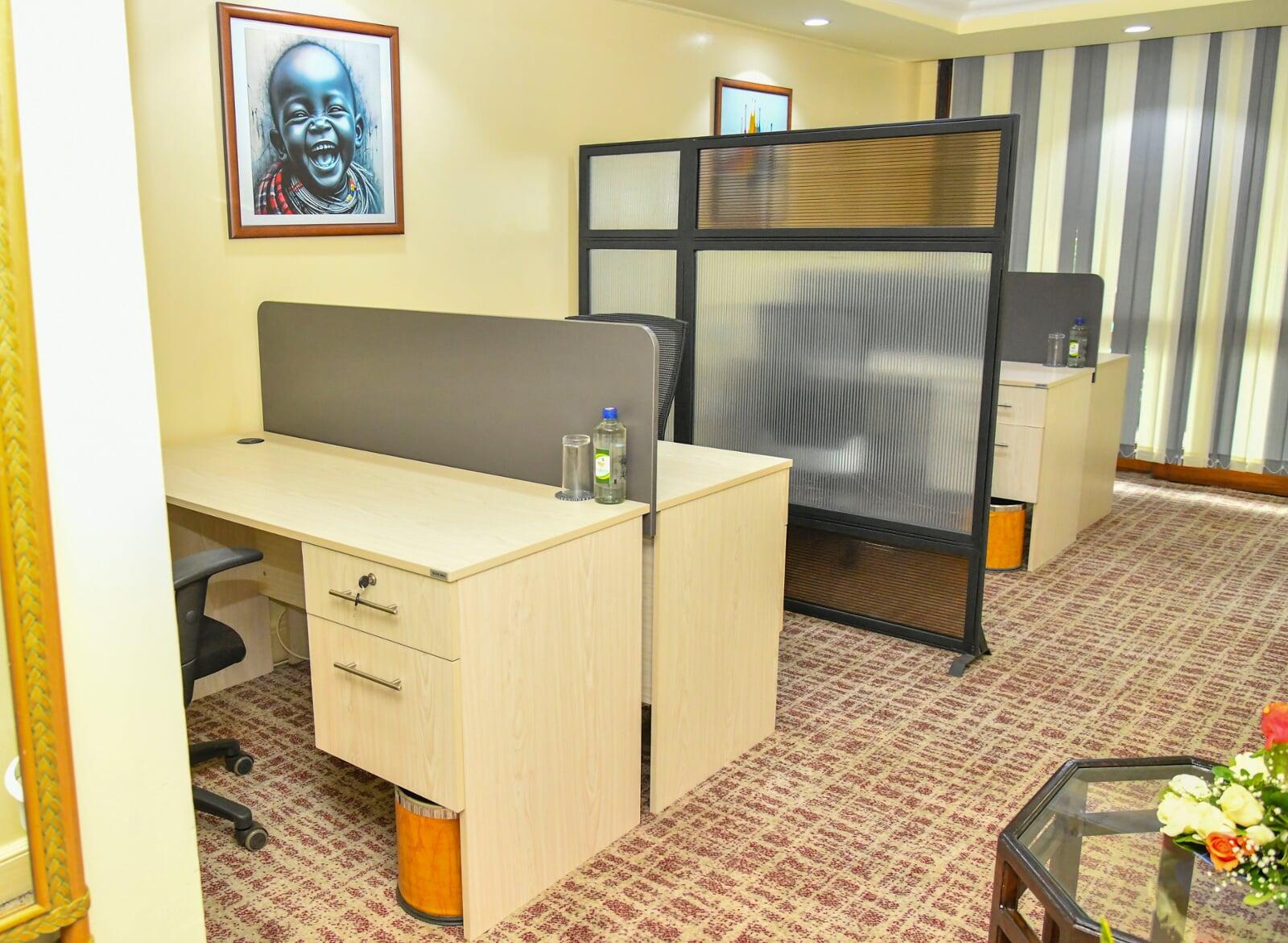
Understanding Remote Work Productivity
Remote work productivity is not just about working from home—it’s about working effectively from anywhere. True productivity in a remote setting depends on three key pillars:
- Environment: Where you work
- Structure: How you organize your time
- Mindset: How you approach your work
Without these, remote work can quickly become inefficient and overwhelming.
Over the past decade, coworking spaces have changed the traditional office model in a significant way, by offering a unique perspective on work and collaboration. These shared spaces are revolutionizing the way people work and creating a new culture around productivity, creativity, and community.
Coworking has become a popular work model for many businesses around the world. From corporates to entrepreneurs, shared workspaces are offering a flexible alternative to traditional workspaces. These shared office spaces are designed to be more than just a workspace, they offer a sense of community which fosters collaboration and networking with like-minded professionals and individuals.
In this blog, we will explore how coworking spaces are reshaping the future of work.
1. Flexibility and Versatility
One of the most significant ways coworking spaces have changed the traditional office model is by providing more versatility for businesses to scale and grow. Unlike traditional offices, which require long-term leases and significant financial investments, coworking spaces offer companies the freedom to pay for their required services. Companies can rent desks, offices, or meeting rooms for as long or as little as they want, providing them with greater flexibility to scale their businesses up or down as needed.
Moreover, coworking spaces offer members 24/7 access to the workspace, allowing them to work at any time of the day or night. This flexibility enables members to work on their own terms and schedules, improving their work-life balance and enhancing their productivity.
2. Collaboration
Another significant change that coworking spaces are bringing to the traditional office model is increased collaboration. Coworking spaces foster a sense of community, bringing together professionals from various industries and backgrounds. This creates an environment where members can collaborate on projects, share knowledge and ideas, and support each other's businesses.
Many coworking spaces offer common areas and social hubs where members can interact and build relationships. Additionally, coworking spaces often host events and workshops that allow members to learn new skills, network, and build relationships.
3. Cost-Effective
Coworking spaces are an economical alternative to traditional workspaces. For startups, freelancers, and entrepreneurs, renting a traditional office can be expensive and out of reach. Coworking spaces provide members with access to high-quality office facilities at all-inclusive pricing which is more economical than renting an entire office.
By sharing the costs of amenities such as printers, internet, and office furniture, members can save money while still enjoying a professional workspace. Moreover, many coworking spaces offer additional perks, such as free coffee and snacks, that help members save money on their daily expenses.
4. Technology
Coworking spaces are revolutionizing the traditional office model by integrating technology into the workspace. With the rise of remote work, members need access to the latest technology to communicate and collaborate with team members, clients, and partners.
Coworking spaces provide members with high-speed internet, state-of-the-art technology, and other tech-related amenities that are essential for modern work. Modern coworking spaces offer tech-enabled workspaces that facilitate a seamless work experience.
5. Well-being and Productivity
Coworking spaces are designed to promote well-being and productivity. They offer members access to amenities such as desks, ergonomic chairs, and natural light that are essential for a healthy work environment. Moreover, many coworking spaces offer wellness programs and interactive sessions, that help members reduce stress and improve their overall well-being. Coworking spaces are also changing the traditional office model by offering members the opportunity to socialize and connect with others. This can combat the feelings of loneliness and isolation that often come with traditional workspaces.
To sum it all up, coworking spaces are changing the traditional office model by providing more flexibility, fostering collaboration, offering cost-effective solutions, integrating technology, and promoting well-being. They offer a new and innovative way of working that is redefining the modern workplace. As the way we work continues to evolve, coworking spaces are emerging as the future of workspaces!
Over the past decade, coworking spaces have changed the traditional office model in a significant way, by offering a unique perspective on work and collaboration. These shared spaces are revolutionizing the way people work and creating a new culture around productivity, creativity, and community.
Coworking has become a popular work model for many businesses around the world. From corporates to entrepreneurs, shared workspaces are offering a flexible alternative to traditional workspaces. These shared office spaces are designed to be more than just a workspace, they offer a sense of community which fosters collaboration and networking with like-minded professionals and individuals.
In this blog, we will explore how coworking spaces are reshaping the future of work.
1. Flexibility and Versatility
One of the most significant ways coworking spaces have changed the traditional office model is by providing more versatility for businesses to scale and grow. Unlike traditional offices, which require long-term leases and significant financial investments, coworking spaces offer companies the freedom to pay for their required services. Companies can rent desks, offices, or meeting rooms for as long or as little as they want, providing them with greater flexibility to scale their businesses up or down as needed.
Moreover, coworking spaces offer members 24/7 access to the workspace, allowing them to work at any time of the day or night. This flexibility enables members to work on their own terms and schedules, improving their work-life balance and enhancing their productivity.
2. Collaboration
Another significant change that coworking spaces are bringing to the traditional office model is increased collaboration. Coworking spaces foster a sense of community, bringing together professionals from various industries and backgrounds. This creates an environment where members can collaborate on projects, share knowledge and ideas, and support each other's businesses.
Many coworking spaces offer common areas and social hubs where members can interact and build relationships. Additionally, coworking spaces often host events and workshops that allow members to learn new skills, network, and build relationships.
3. Cost-Effective
Coworking spaces are an economical alternative to traditional workspaces. For startups, freelancers, and entrepreneurs, renting a traditional office can be expensive and out of reach. Coworking spaces provide members with access to high-quality office facilities at all-inclusive pricing which is more economical than renting an entire office.
By sharing the costs of amenities such as printers, internet, and office furniture, members can save money while still enjoying a professional workspace. Moreover, many coworking spaces offer additional perks, such as free coffee and snacks, that help members save money on their daily expenses.
4. Technology
Coworking spaces are revolutionizing the traditional office model by integrating technology into the workspace. With the rise of remote work, members need access to the latest technology to communicate and collaborate with team members, clients, and partners.
Coworking spaces provide members with high-speed internet, state-of-the-art technology, and other tech-related amenities that are essential for modern work. Modern coworking spaces offer tech-enabled workspaces that facilitate a seamless work experience.
5. Well-being and Productivity
Coworking spaces are designed to promote well-being and productivity. They offer members access to amenities such as desks, ergonomic chairs, and natural light that are essential for a healthy work environment. Moreover, many coworking spaces offer wellness programs and interactive sessions, that help members reduce stress and improve their overall well-being. Coworking spaces are also changing the traditional office model by offering members the opportunity to socialize and connect with others. This can combat the feelings of loneliness and isolation that often come with traditional workspaces.
To sum it all up, coworking spaces are changing the traditional office model by providing more flexibility, fostering collaboration, offering cost-effective solutions, integrating technology, and promoting well-being. They offer a new and innovative way of working that is redefining the modern workplace. As the way we work continues to evolve, coworking spaces are emerging as the future of workspaces!
The Challenges of Remote Work
1. Distractions and Lack of Focus
Working from home often means dealing with interruptions—family, noise, social media, or even the temptation to relax. Unlike a traditional office, the home environment is not always optimized for productivity.
2. Isolation and Reduced Collaboration
Remote work can feel isolating. The absence of face-to-face interaction can impact creativity, teamwork, and even motivation.
3. Blurred Work-Life Boundaries
When your workspace is also your living space, it becomes difficult to “switch off.” This often leads to burnout and reduced efficiency over time.
4. Inconsistent Work Routines
Without a structured schedule, productivity can fluctuate. Some days feel highly productive, while others lack direction.
Creating a Productive Remote Work Routine
To succeed in remote work, intentional structure is essential.
Establish a Dedicated Workspace
Your environment directly impacts your focus. A dedicated workspace signals to your brain that it’s time to work. This could be a home office—or better yet, a professional coworking space like Tulivu.
Set Clear Working Hours
Define your start and end times. Consistency builds discipline and prevents overworking.
Use Productivity Techniques
Methods like the Pomodoro Technique (working in focused intervals) or time blocking can significantly improve efficiency.
Prioritize Tasks
Start your day with high-impact tasks. Use tools like to-do lists or project management apps to stay organized.
The Role of Environment in Productivity
One of the most underestimated factors in remote work is the work environment.
A cluttered, noisy, or uncomfortable space can reduce focus and motivation. On the other hand, a well-designed environment enhances concentration, creativity, and efficiency.
This is where Tulivu Coworking stands out.
Tulivu Coworking: Redefining Remote Work Productivity
Located in the heart of Nairobi, Tulivu Coworking offers a premium solution for remote professionals seeking structure without sacrificing flexibility.
Inspired by the concept of calm and focus, Tulivu is more than a workspace—it is an environment intentionally designed to support productivity and professional growth.
Why Tulivu Enhances Productivity
Balancing Flexibility and Discipline
Remote work offers freedom—but without discipline, that freedom can lead to inefficiency.
Build a Routine That Works for You
Not everyone thrives on a strict 9-to-5 schedule. Find your peak productivity hours and structure your day around them.
Separate Work and Personal Life
Avoid working from your bed or couch. Physical separation improves mental clarity.
Take Meaningful Breaks
Short breaks improve focus and prevent burnout. Step away, refresh, and return with clarity.
Collaboration in a Remote World
One of the biggest myths about remote work is that it limits collaboration.
Digital Tools Enable Connections
In reality, collaboration has evolve Platforms like Slack, Zoom, and project management tools allow teams to communicate seamlessly across locations. One of the biggest myths about remote work is that it limits collaboration.
Physical Spaces Still Matter
While digital tools are essential, physical interaction remains powerful. Coworking spaces like Tulivu provide the perfect balance—allowing remote workers to connect, brainstorm, and collaborate in person when needed.
Mental Health and Remote Work
Productivity is closely linked to mental well-being.
Avoid Isolation
Working alone for extended periods can impact motivation and creativity. Being in a shared workspace introduces social interaction without distractions.
Maintain Work-Life Balance
Set boundaries. Know when to log off and recharge.
Stay Active and Engaged
Incorporate movement into your day. Even a short walk can improve focus and energy levels.
The Business Perspective: Why Companies Are Embracing Remote Work
Businesses are increasingly adopting remote and hybrid models because they offer:
- Reduced operational costs
- Access to global talent
- Increased employee satisfaction
- Higher productivity levels when managed effectively
However, many companies are also integrating coworking spaces into their strategies—providing employees with professional environments like Tulivu to maintain performance and collaboration.
The Future of Remote Work
The future of work is hybrid—a blend of remote flexibility and structured work environments.
Professionals will continue to seek:
- Flexibility in where they work
- Access to professional environments when needed
- Opportunities for collaboration and networking
Coworking spaces will play a critical role in this future, acting as hubs that connect people, ideas, and opportunities.
Final Thoughts: Work Smarter, Not Just Harder
Remote work has unlocked new possibilities—but productivity in this new era requires intentionality.
It’s not just about having the freedom to work from anywhere—it’s about choosing the right environment, structure, and tools to perform at your best.
Tulivu Coworking embodies this balance—offering a space where professionals can enjoy the flexibility of remote work while maintaining the discipline and productivity of a professional office.
Conclusion: Elevate Your Remote Work Experience
In today’s fast-evolving work landscape, success belongs to those who adapt.
Whether you are a freelancer, entrepreneur, or part of a growing team, your environment matters. Choosing a space that supports your productivity, focus, and growth can make all the difference.